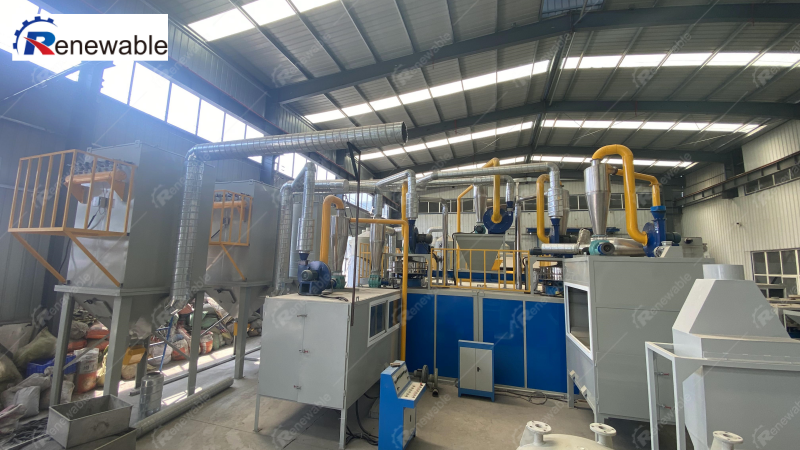
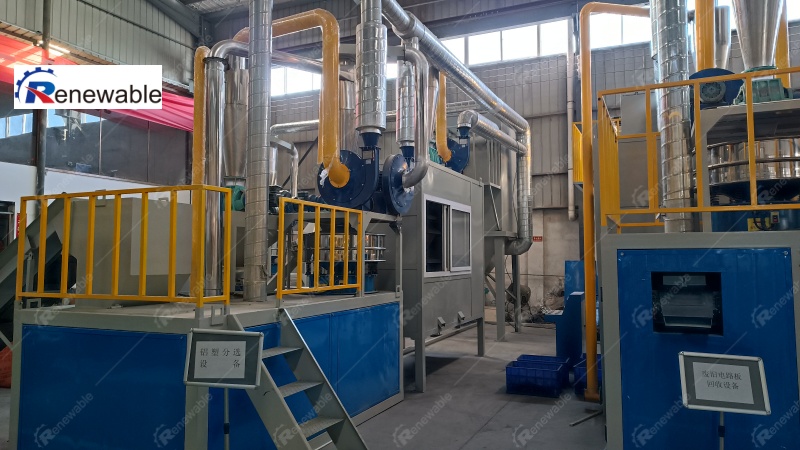
Fully automatic electronic waste intelligent dismantling and recycling equipment | Efficient environmental protection and resource utilization processing equipment
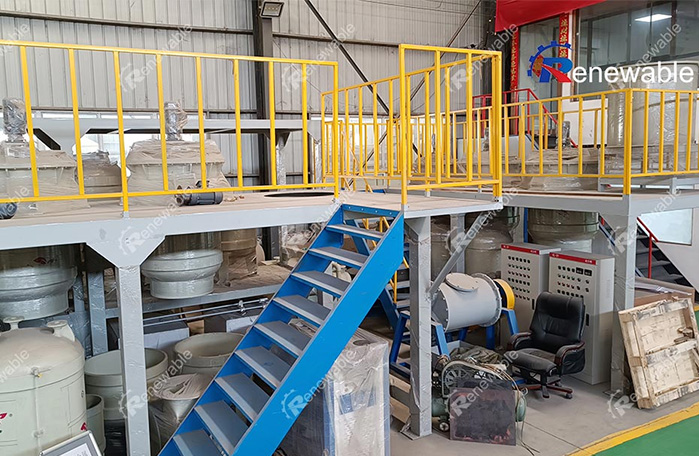
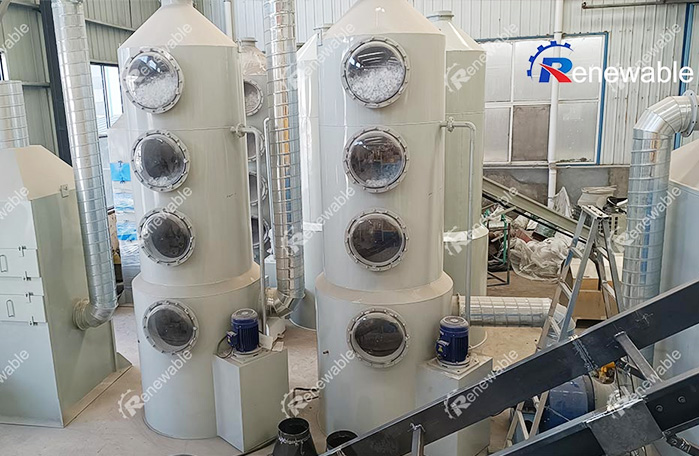
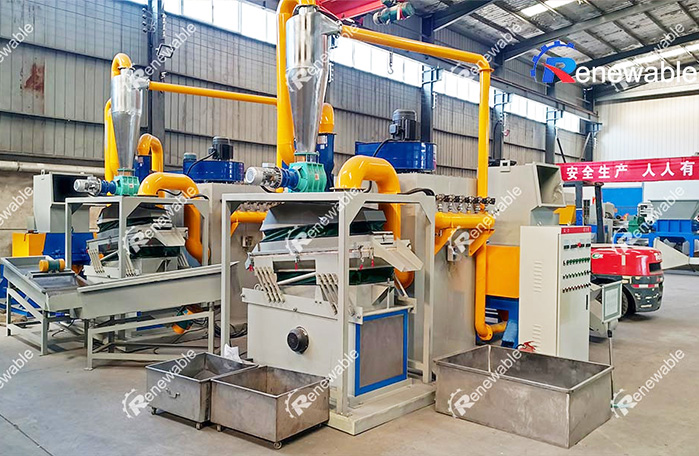
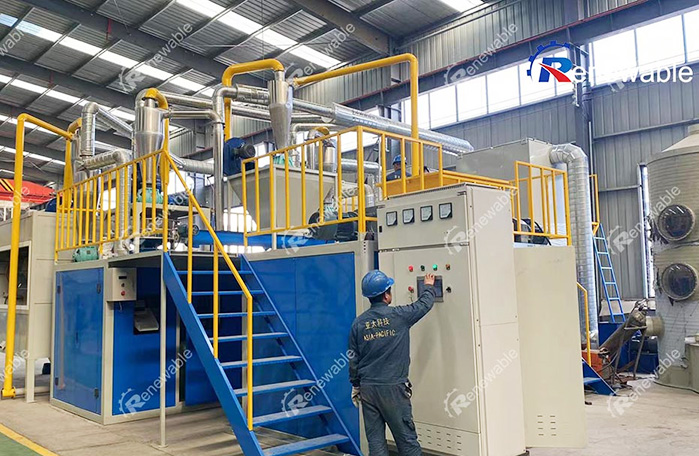
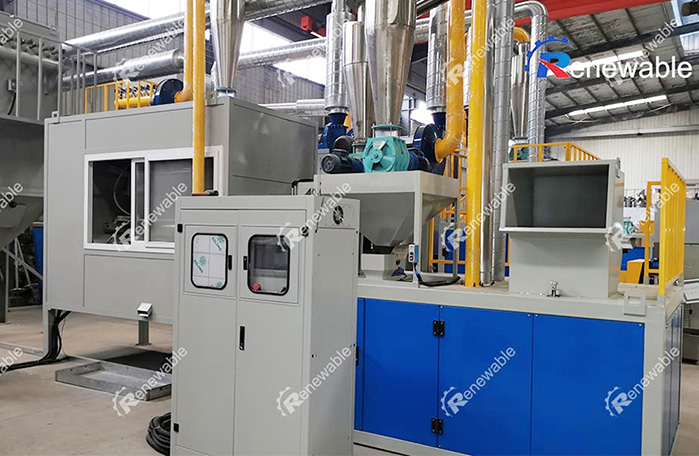
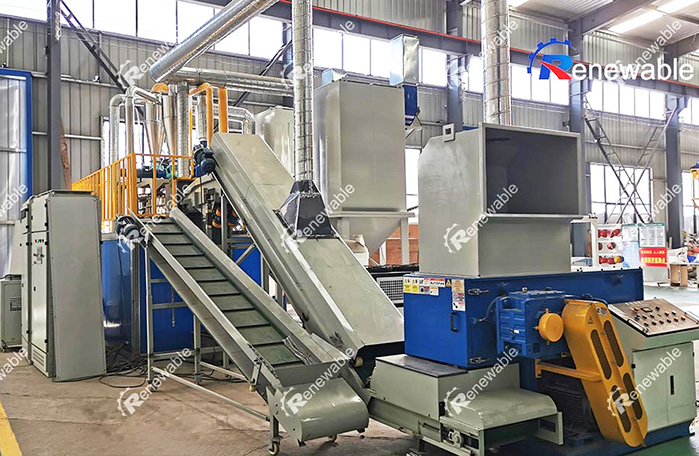
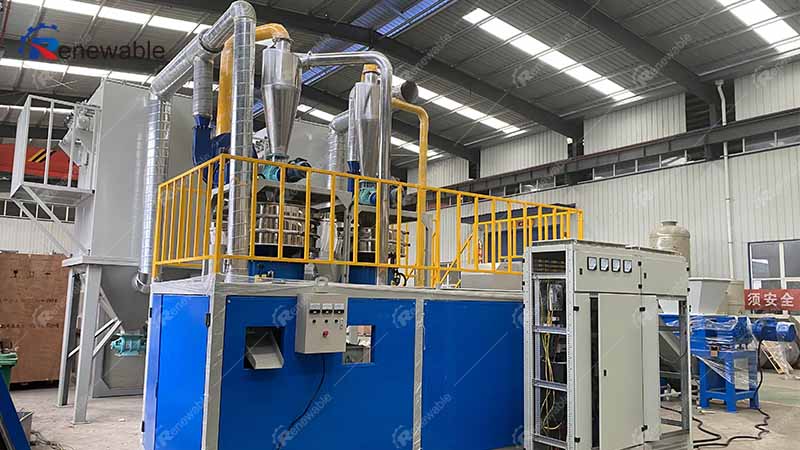
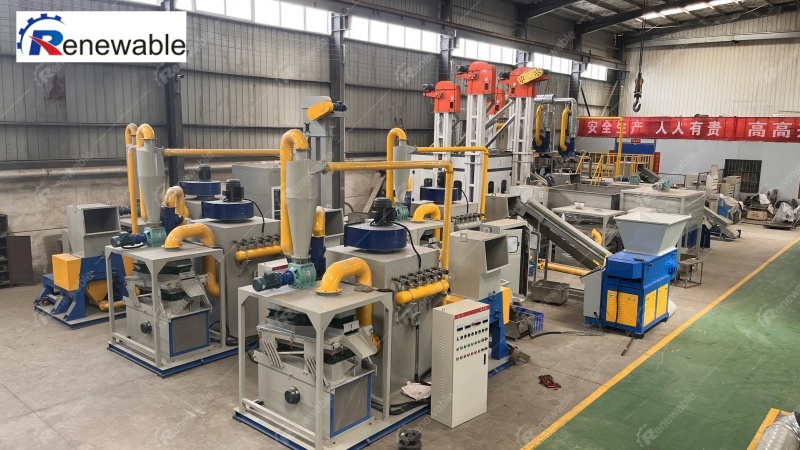
The current update and iteration speed of electronic products is accelerating, and the production of electronic waste continues to surge. It not only contains pollutants such as heavy metals and toxic chemicals, which can easily cause soil, water, and air pollution, but also contains recyclable resources such as copper, aluminum, gold, silver, and high-quality plastics, with extremely high recycling value. The traditional manual dismantling method has low efficiency, high cost, poor sorting accuracy, and is prone to secondary pollution and damage to recycled materials, which cannot meet the needs of large-scale and green industry development. The fully automatic electronic waste dismantling and recycling equipment integrates an intelligent mechanized operation system, which can achieve harmless, efficient, and resourceful treatment of electronic waste. It is the core equipment for upgrading the solid waste recycling industry. The equipment is equipped with a PLC intelligent control system and adopts an integrated operation mode of “non-destructive disassembly, grading processing, precise sorting, and clean recycling”. The entire process is closed-loop and pollution-free, and the core process is simple and efficient (1) Intelligent non-destructive disassembly It can adapt to various types of electronic waste such as mobile phones, home appliances, waste circuit boards, digital products, etc., relying...
Learn More