With the rapid development of new energy vehicles and energy storage industry, the use of lithium-ion batteries has increased sharply, and the problem of waste battery disposal has become increasingly severe. Waste lithium-ion batteries contain a large amount of harmful substances, such as organic electrolytes and heavy metals (nickel, cobalt, manganese, etc.). If not handled properly, they can cause serious pollution to soil and water sources. At the same time, these waste batteries are also rich in high-value metals such as lithium, copper, and aluminum. Efficient recycling can not only reduce environmental pollution, but also achieve resource recycling, with significant environmental and economic benefits.
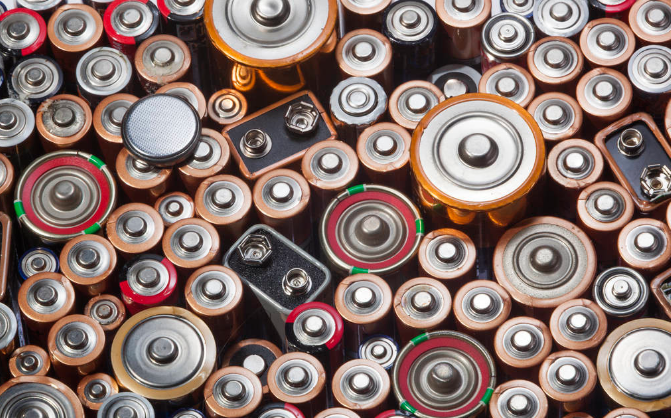
The waste lithium battery processing equipment adopts advanced physical and mechanical separation technology to efficiently crush and separate waste lithium batteries, obtaining different components such as graphite powder, lithium cobalt oxide, aluminum, and copper. This processing method not only improves the utilization rate of resources, but also adopts a fully enclosed design throughout the entire processing process, equipped with efficient dust removal and exhaust gas purification systems, ensuring no dust leakage or harmful gas emissions, complying with green environmental standards, and effectively avoiding secondary pollution.
The large-scale recycling and utilization of waste lithium batteries can not only alleviate the pressure of mineral resource extraction and reduce raw material costs, but also reduce energy consumption and carbon emissions, promoting the development of circular economy. By improving the level of recycling technology and further increasing the extraction rate of valuable metals, the resource value of waste lithium batteries can be maximized, providing important support for the sustainable development of the new energy industry. The promotion and application of this technology is of great significance for achieving low-carbon environmental protection goals and efficient resource utilization.