With the rapid development of industrialization, aluminum-plastic composite materials, with their advantages of lightweight, durability, and strong sealing, have comprehensively covered various scenarios such as food packaging, electronic accessories, building decoration, and daily chemical packaging, and their market usage continues to rise. However, a massive amount of aluminum-plastic waste is generated, and aluminum and plastic are bonded together and difficult to naturally decompose. The traditional extensive treatment mode of landfill and incineration not only causes a large loss of recyclable resources such as metal aluminum and plastic, but also breeds ecological problems such as soil pollution and exhaust emissions. The pressure on solid waste recycling and treatment is becoming increasingly severe.
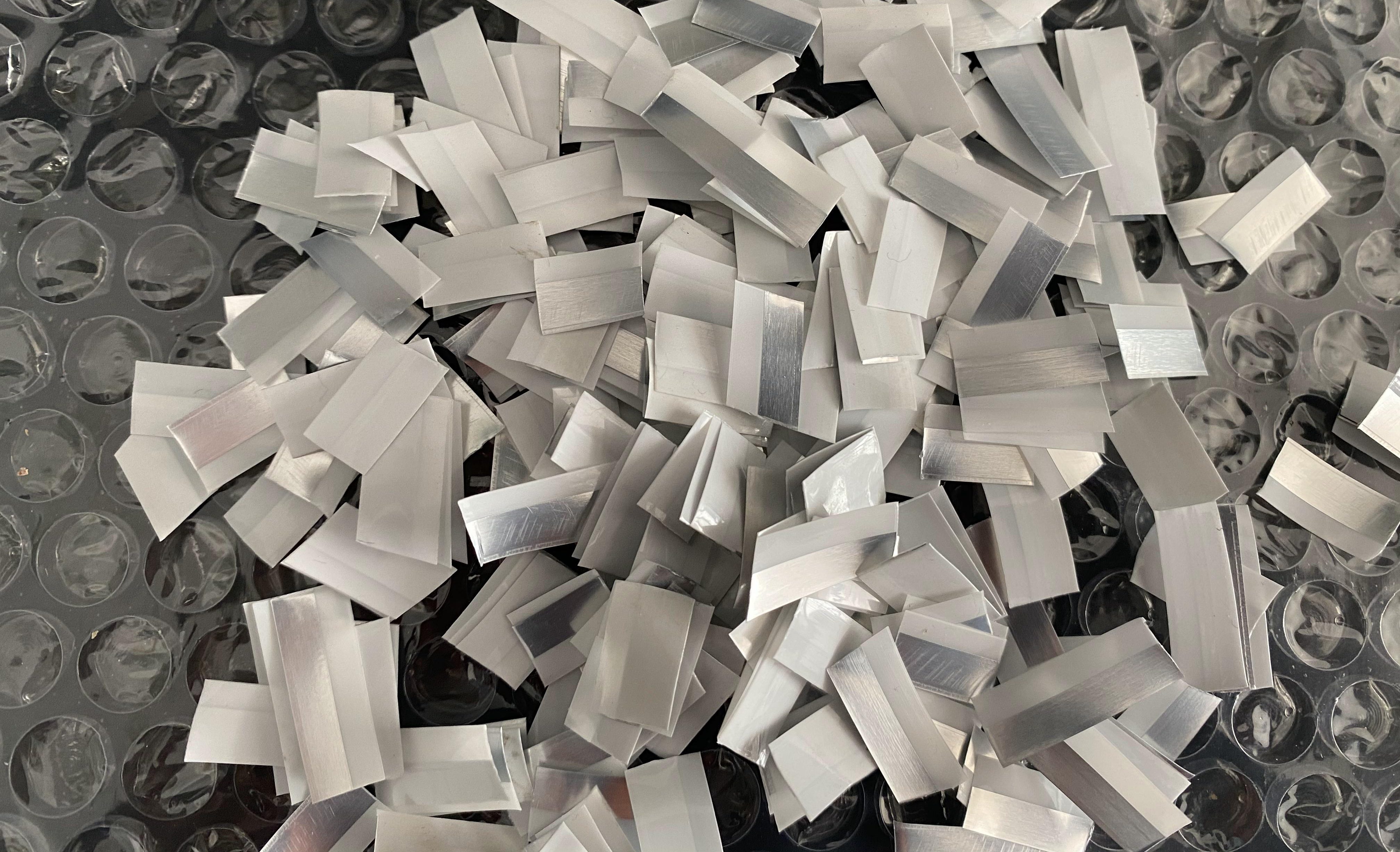
The iterative upgrade of aluminum-plastic sorting equipment has opened up a new path for the harmless and resourceful treatment of aluminum-plastic solid waste. The entire aluminum-plastic separation production line integrates core modules such as shredder, crusher, crushing and screening machine, air flow separator, electrostatic separator, pulse dust removal equipment, etc., forming an integrated automated operation process, realizing the full process processing of aluminum-plastic waste from coarse crushing, refinement, screening to precise sorting.
The equipment adopts a fully physical dry separation process, which is completely different from traditional wet separation technology. It does not require water throughout the process, has zero wastewater discharge, and avoids secondary environmental protection problems such as chemical pollution and sewage treatment; By relying on core technologies such as electrostatic sorting and airflow classification, we efficiently break through the aluminum-plastic composite structure, accurately separate metal aluminum and plastic materials, and achieve high material recovery and purity. The sorted aluminum and plastic particles can be directly returned to the industrial chain for secondary processing, with significant recycling value and a balance between environmental benefits and economic benefits.
Breaking through the pain points and technical challenges of composite material recycling, aluminum-plastic dry separation technology is reshaping the solid waste recycling system. Under the guidance of the dual carbon policy and the trend of circular economy development, aluminum-plastic sorting equipment, with its core advantages of low carbon, high efficiency, and green, assists in the reduction, resource utilization, and harmless disposal of industrial solid waste. In the future, with continuous technological innovation and industrialization, this green equipment will continue to empower ecological and environmental protection construction, promote high-quality development of the renewable resources industry, and inject strong impetus into green and low-carbon development and global resource circulation.