With the global energy structure shifting towards cleanliness, the installed capacity of photovoltaic power generation is rapidly increasing, and the service life of photovoltaic modules is usually 20-30 years. It is expected that by 2030, the world will experience a peak in the scrapping of the first batch of photovoltaic modules, with an annual waste volume possibly exceeding one million tons. Waste photovoltaic modules contain recyclable materials such as glass, aluminum, silicon, silver, copper, and may also contain harmful substances such as lead and cadmium. Improper disposal can cause serious environmental pollution. Therefore, efficient and environmentally friendly photovoltaic module recycling and processing equipment will become an indispensable part of the green energy industry chain.
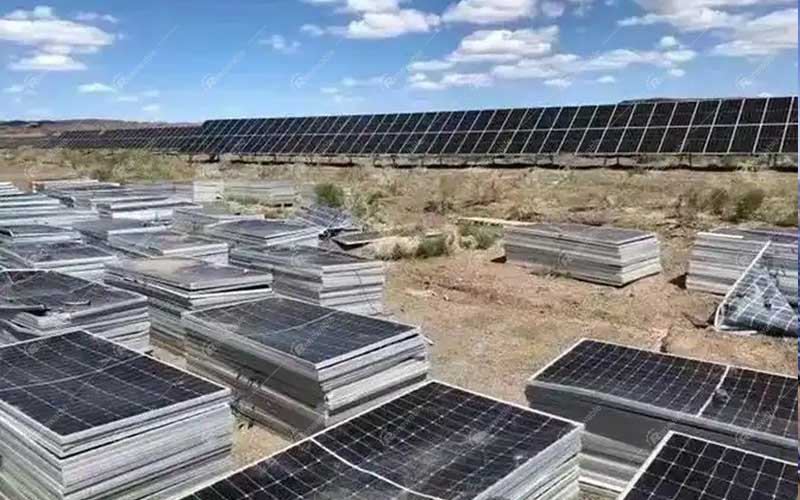
Waste photovoltaic panels are finely separated through processes such as physical crushing, sorting, and chemical purification, resulting in high resource recovery rates and significantly reducing the cost of raw material extraction. Recycling can reduce carbon emissions from the production of energy intensive materials such as silicon and aluminum, and help achieve the “dual carbon” goal.
With the large-scale application and localization of equipment, costs will significantly decrease, coupled with policy subsidies, the market potential is enormous. The current recycling cost is high, and there is still a need to break through the high-purity purification of silicon wafers; Photovoltaic module recycling and processing equipment is not only a necessity for environmental protection, but also a key link in the resource circular economy. In the future, with the maturity of technology and the improvement of industry standards, this field will form a market size of billions, providing solid support for the sustainable development of green energy.