With the rapid popularization of new energy vehicles, China’s first batch of power batteries has entered the stage of large-scale retirement. According to industry data, the total amount of retired power batteries in China exceeded 320000 tons in 2021 and is expected to surge to 780000 tons by 2025. Against the backdrop of continuously rising prices of strategic resources such as lithium, cobalt, and nickel, efficient recycling of valuable metals from waste batteries can not only alleviate the pressure of resource shortages, but also significantly reduce battery manufacturing costs. Therefore, specialized and intelligent waste lithium battery processing equipment has become a necessity in the industry, and its technological upgrading is of great significance for promoting the development of circular economy.
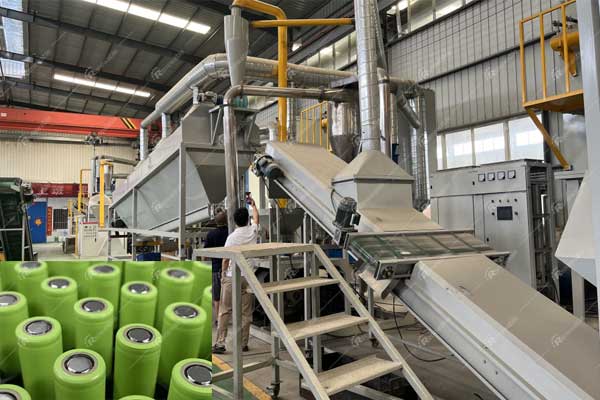
The comprehensive recycling and reuse of rare metals in lithium batteries can be achieved through the use of waste lithium battery crushing and sorting equipment. The equipment can effectively recover lithium battery steel shells, lithium battery separators, lithium carbonate, lithium manganese oxide, and lithium cobalt oxide on the positive and negative electrode plates of lithium batteries, as well as copper and aluminum metal particles generated by the positive and negative electrode plates. Has good economic value. Finally, carry out environmental protection treatment. There may still be environmental pollution hazards after the recycling of waste lithium batteries, especially harmful substances that may remain in the batteries. In order to ensure environmental safety, it is necessary to carry out environmentally friendly treatment of waste lithium batteries.
By using specialized equipment such as crushing, sorting, leaching, and purification, more than 90% of the nickel, cobalt, manganese, and lithium elements in batteries can be recovered, which is equivalent to rebuilding an “urban mine”. Based on the expected retirement volume by 2025, it can meet 20% of the demand for new battery raw materials that year. This type of equipment not only solves the environmental hazards caused by the explosive growth of retired batteries, but also builds a closed-loop economic model of “resources products renewable resources”, providing key support for the sustainable development of the new energy industry.