As the global energy transition accelerates, the photovoltaic (PV) industry has witnessed explosive growth and become a core pillar of the new energy sector thanks to its clean and high-efficiency advantages. With the continuous expansion of PV installation scale, early deployed PV modules have gradually entered the decommissioning phase, making the recycling and disposal of waste PV modules an increasingly prominent issue. Industry forecasts indicate that the global volume of decommissioned PV modules will reach approximately 8 million tons by 2030. Improper and extensive disposal of massive retired PV modules will not only cause severe waste of valuable resources such as silicon, metals and plastics, but also release harmful heavy metals including lead and cadmium contained in the modules, which may penetrate into soil and water bodies and trigger ecological pollution. Against this backdrop, exploring a low-carbon, efficient and environmentally friendly recycling approach for PV modules has become a core topic for the sustainable development of the global new energy industry. The innovative physical recycling process has effectively addressed industrial pain points, achieving a material recycling rate of over 95% while cutting carbon emissions in the recycling process by more than 70%, providing crucial technical support for the green and circular development of the PV industry.
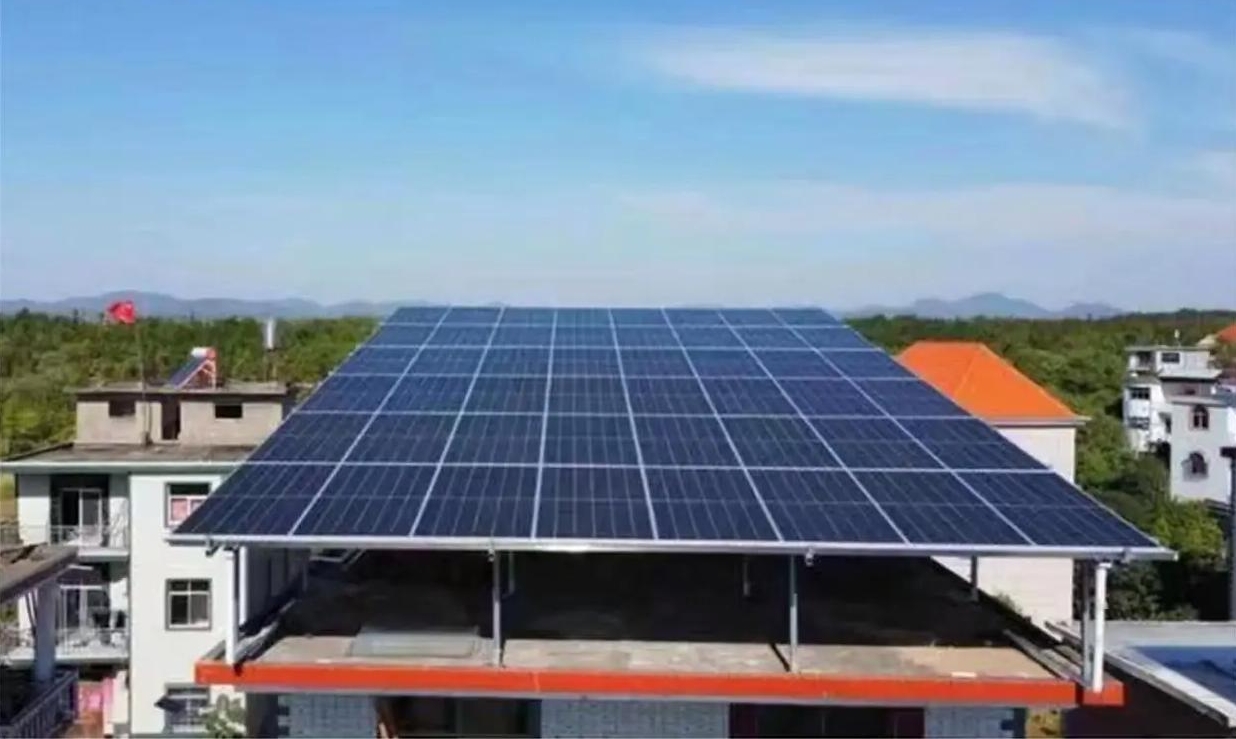
Compared with traditional methods such as chemical recycling and incineration recycling, the pure physical treatment process stands out as the most scientific and eco-friendly solution for the regeneration of waste PV modules, featuring low carbon emissions, no secondary pollution and high resource utilization efficiency. The entire recycling process relies entirely on physical crushing and sorting technologies for material separation without the addition of any chemical agents, realizing full-scale clean recycling. Firstly, decommissioned PV modules are sent to a special shredder for primary shredding, breaking complete panels into uniform block materials. The shredded materials are then delivered to a precision crusher for deep crushing, which thoroughly breaks the structural barriers of the modules and realizes the preliminary separation of EVA films and monocrystalline silicon wafers. The preliminarily separated materials are conveyed to a collector through negative pressure of an induced draft fan for centralized collection, avoiding material loss and dust diffusion.
The centrally collected materials then enter the fine sorting process, where high-purity silicon materials are accurately separated by professional sorting equipment and can be directly reused in the PV industrial chain. The remaining mixed materials including plastics and metals are sent to a special pulverizer for ultra-fine grinding. The refined materials are stably transported to an air flow sorting sieve through an air lock. Adopting the dual technical principles of air flow screening and high-frequency vibration, the equipment accurately separates and collects metal and plastic materials according to the differences in density and weight of different materials. Meanwhile, it is equipped with a dedicated dust removal system to fully collect fine dust generated during sorting, achieving full material recycling, zero gas leakage and full-process clean and controllable operation.
The large-scale application of innovative physical recycling technology has reshaped the development paradigm of circular economy in the PV industry and opened a new chapter for the full-life-cycle green utilization of PV modules. As an industrial transformation that deeply integrates green technological ethics and commercial logic, this technological innovation with outstanding technological, ecological and economic values not only safeguards the ecological environment and maximizes the reuse of waste PV resources, but also reconstructs the symbiotic relationship between the new energy industry and natural resources. Under the backdrop of the comprehensive advancement of the dual-carbon strategy, the green regeneration technology for PV modules is not only an inevitable choice for the industry to address low-carbon transformation challenges and solve solid waste disposal problems, but also a strategic layout to develop circular economy, tap new industrial growth points and achieve high-quality sustainable development, setting an innovative benchmark for the green upgrading of the global new energy industry.