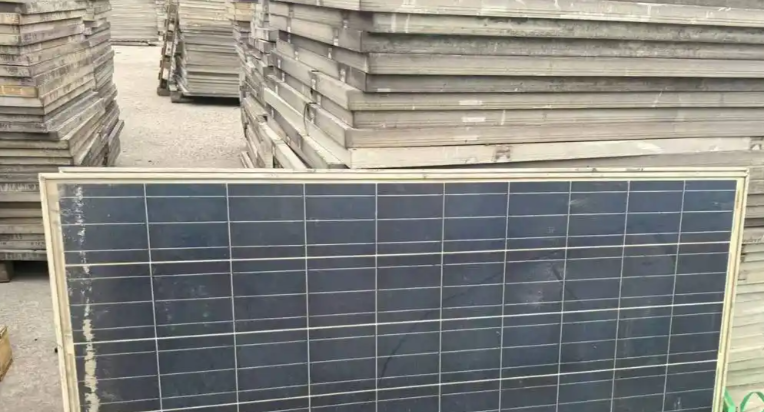
With the rapid growth of global photovoltaic installed capacity, the first batch of photovoltaic modules are gradually entering the retirement period. According to the International Renewable Energy Agency’s forecast, the global waste of photovoltaic panels will reach 8 million tons by 2030, and will soar to 78 million tons by 2050. How to efficiently recycle these ‘green heritages’ has become a key issue for the sustainable development of the new energy industry.
The core technology of recycling and processing
1. Physical disassembly method
Separate photovoltaic panels into glass, metal frame, silicon wafer, and backplate material through mechanical crushing and screening. This method has a simple process and low cost, but the purity of the material is limited, and the silicon material often needs further purification.
2. Thermal decomposition method
Decompose EVA film and backing plate under high temperature inert atmosphere to separate silicon wafer from glass. The pyrolysis efficiency is high, but it consumes a lot of energy and requires the treatment of organic waste gas, which has high requirements for environmental protection facilities.
3. Chemical dissolution method
Dissolve EVA adhesive film in organic solvents or acid-base solutions to achieve complete exfoliation of silicon wafers. This method can preserve high purity silicon materials, but the recovery of chemical reagents and waste liquid treatment are difficult points.
Establish a “extended producer responsibility” system, requiring photovoltaic enterprises to assume the obligation of component recycling, build a reverse logistics network from power stations to treatment plants, and avoid waste components flowing into informal channels.
Develop unified technical specifications and product standards for recycling and processing, clarify the quality levels of recycled silicon and recycled glass, and provide access basis for recycled materials to enter the industry chain.
Encourage the development of integrated enterprises that recycle, purify, and remanufacture, reusing recycled silicon materials for battery cell production and recycled glass for building materials or new component packaging, forming a closed-loop industrial chain.
Provide tax incentives and subsidies to legitimate recycling enterprises, establish a special fund for photovoltaic recycling, and increase investment in key technology research and development to reduce recycling costs and improve economic efficiency.
The recycling of waste photovoltaic panels is not a burden for the new energy industry, but the starting point for the next trillion level circular economy. Only with the dual drive of technological innovation and institutional construction can the photovoltaic industry truly achieve sustainable development throughout its entire lifecycle, from “green production” to “green extinction”.