While photovoltaic clean energy is widely popularized, early produced photovoltaic panels have gradually entered the retirement stage, and the disposal of a large number of waste photovoltaic panels is becoming increasingly prominent. Many people believe that the photovoltaic industry has zero pollution, but waste photovoltaic panels contain harmful substances such as heavy metals and difficult to degrade adhesive films. Random landfilling and incineration can cause serious ecological pollution. Therefore, standardized recycling and utilization is the core measure to address the shortcomings of new energy environmental protection and ensure the green development of the photovoltaic industry.
The ecological hazards of waste photovoltaic panels stem from their unique material structure, with components containing heavy metals such as lead and cadmium, as well as harmful components such as fluoride. Random landfill disposal can cause harmful substances to seep into soil and groundwater with rainwater, leading to heavy metal accumulation, water source pollution, and damage to regional ecosystems; Direct incineration will produce toxic exhaust gas, causing air pollution and creating a contradiction of clean energy end of pipe pollution.
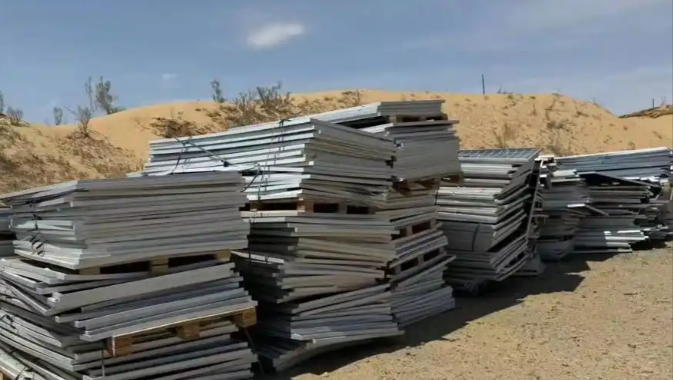
By relying on mature recycling technologies such as mechanical separation and green pyrolysis, standardized recycling can achieve harmless treatment of waste photovoltaic panels. Professional technology can accurately strip and centrally dispose of toxic and harmful substances, prevent secondary pollution, eliminate the ecological hazards of retired photovoltaic modules from the source, and completely solve the “post retirement pollution sequelae” of the photovoltaic industry.
Photovoltaic panel recycling also has significant low-carbon value, helping to achieve the dual carbon goal. Data shows that recycling photovoltaic silicon materials can significantly reduce carbon emissions, with the production process of recycled silicon wafers reducing carbon emissions by 55% compared to the original process. With the increasing number of retired photovoltaic modules year by year, large-scale and standardized recycling can achieve massive carbon reduction and promote the photovoltaic industry to complete low-carbon upgrades throughout its entire lifecycle.
In summary, the recycling of waste photovoltaic panels is an inevitable requirement for the sustainable development of the photovoltaic industry. Improving the recycling system, upgrading green technologies, and standardizing industry standards can safeguard the bottom line of the new energy ecosystem, enable the photovoltaic industry to continue to leverage its green and low-carbon advantages, and empower ecological protection and dual carbon construction.
A large number of retired and discarded photovoltaic panels are not industrial solid waste, but “urban minerals” with rich value. Photovoltaic modules contain scarce industrial raw materials such as silicon, aluminum, silver, and copper. Through refined disassembly, purification, and regeneration, resource recycling can be achieved, effectively alleviating the pressure of domestic mineral resource shortages and building a green resource loop for the photovoltaic industry.
The value of waste photovoltaic panel resources is considerable, and the components are mainly composed of glass, aluminum frames, silicon materials, silver metal, etc. Among them, silver metal, which accounts for a very low proportion, contributes nearly half of the recycling value. According to industry estimates, Moreover, the grade of recycled minerals is superior to that of natural raw ores, resulting in higher recycling efficiency.
Resource recycling effectively solves the pain points of raw material dependence and high mining costs in the photovoltaic industry. The cost of natural mineral extraction is high and the ecological damage is significant. However, the purity of recycled materials purified from waste photovoltaic panels meets the standard and can be directly used for the production of new components. The large-scale application of renewable resources can stabilize raw material prices, reduce production costs of photovoltaic products, and promote the improvement of the quality and cost reduction of the new energy industry.
The photovoltaic recycling industry has built a circular industry chain of “production use recycling recycling”. The complete retired photovoltaic panels can be repaired, tested, and reused in a hierarchical manner. Damaged components can be disassembled and various core materials can be regenerated. The overall resource utilization rate exceeds 90%, completely changing the traditional one-way consumption production mode and promoting industrial transformation and upgrading.
With policy support, the recycling of waste photovoltaics has become a promising green emerging industry. Revitalizing retired photovoltaic resources and deepening the field of circular utilization can not only create considerable economic benefits, but also help the photovoltaic industry break free from resource dependence and achieve high-quality and sustainable green development.