How to improve the recovery rate of copper in waste wires and cables
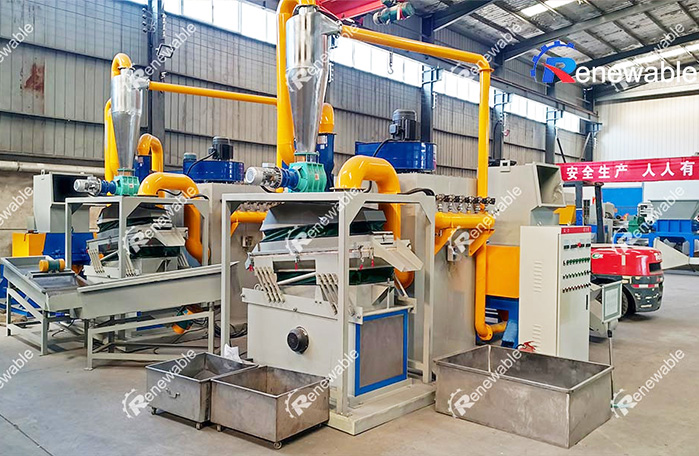
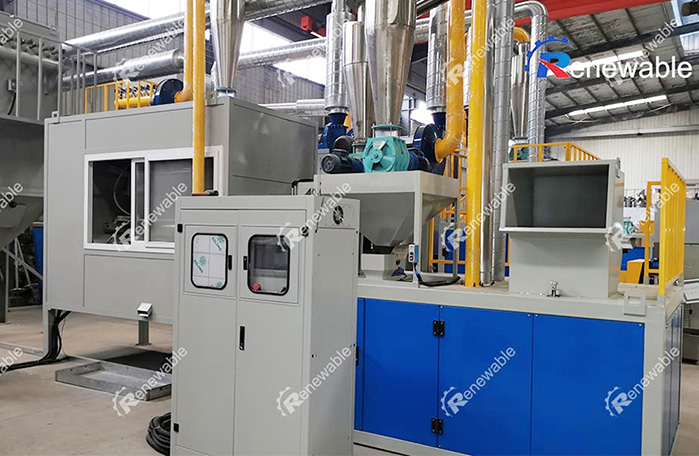
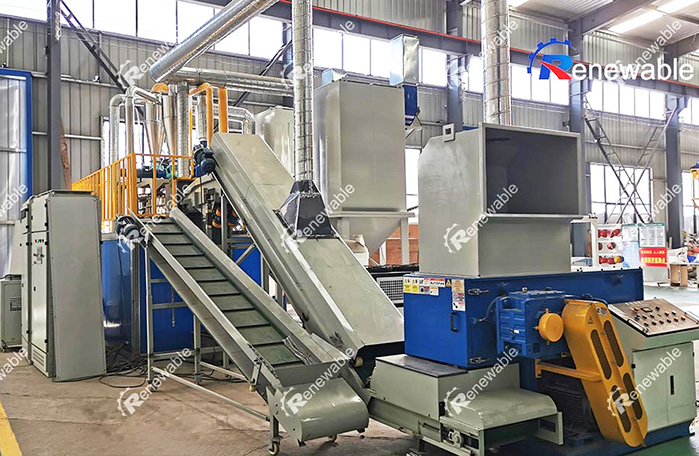
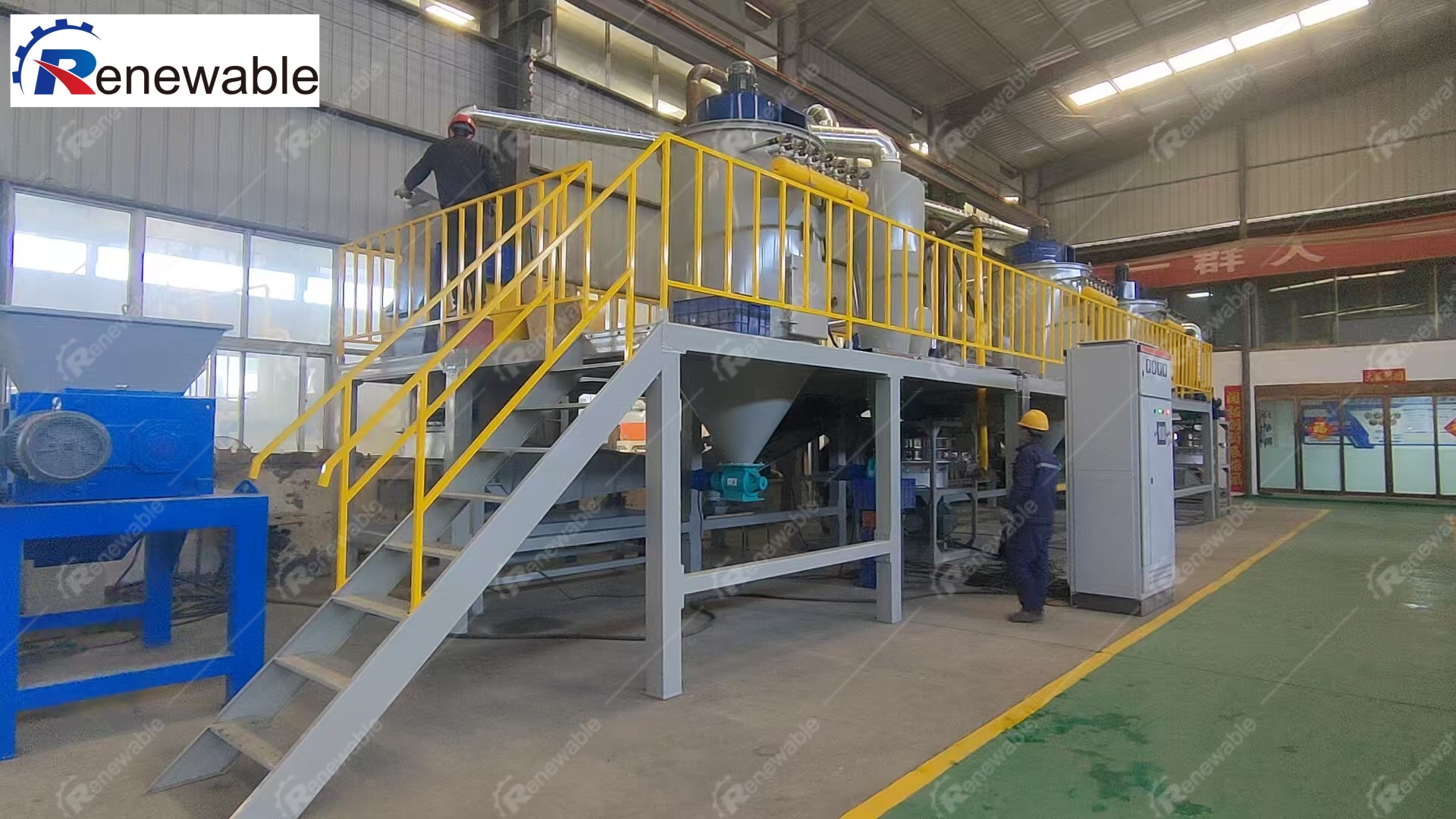
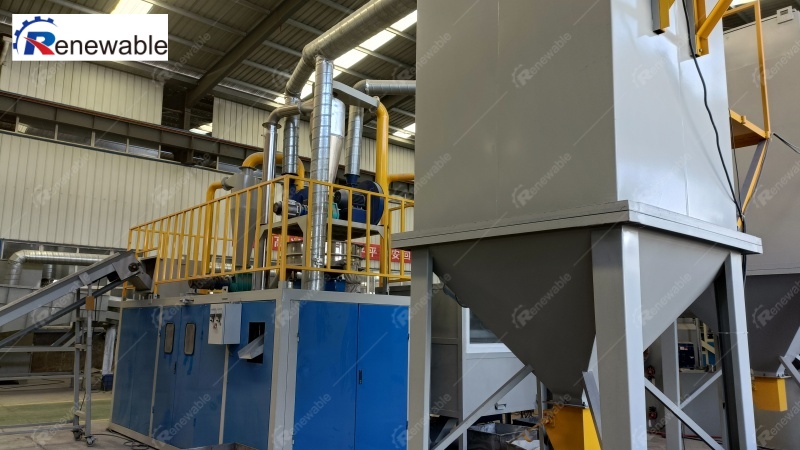
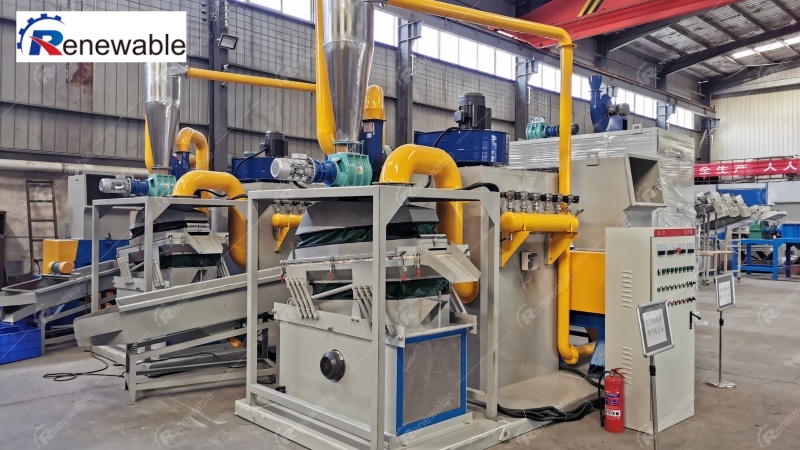
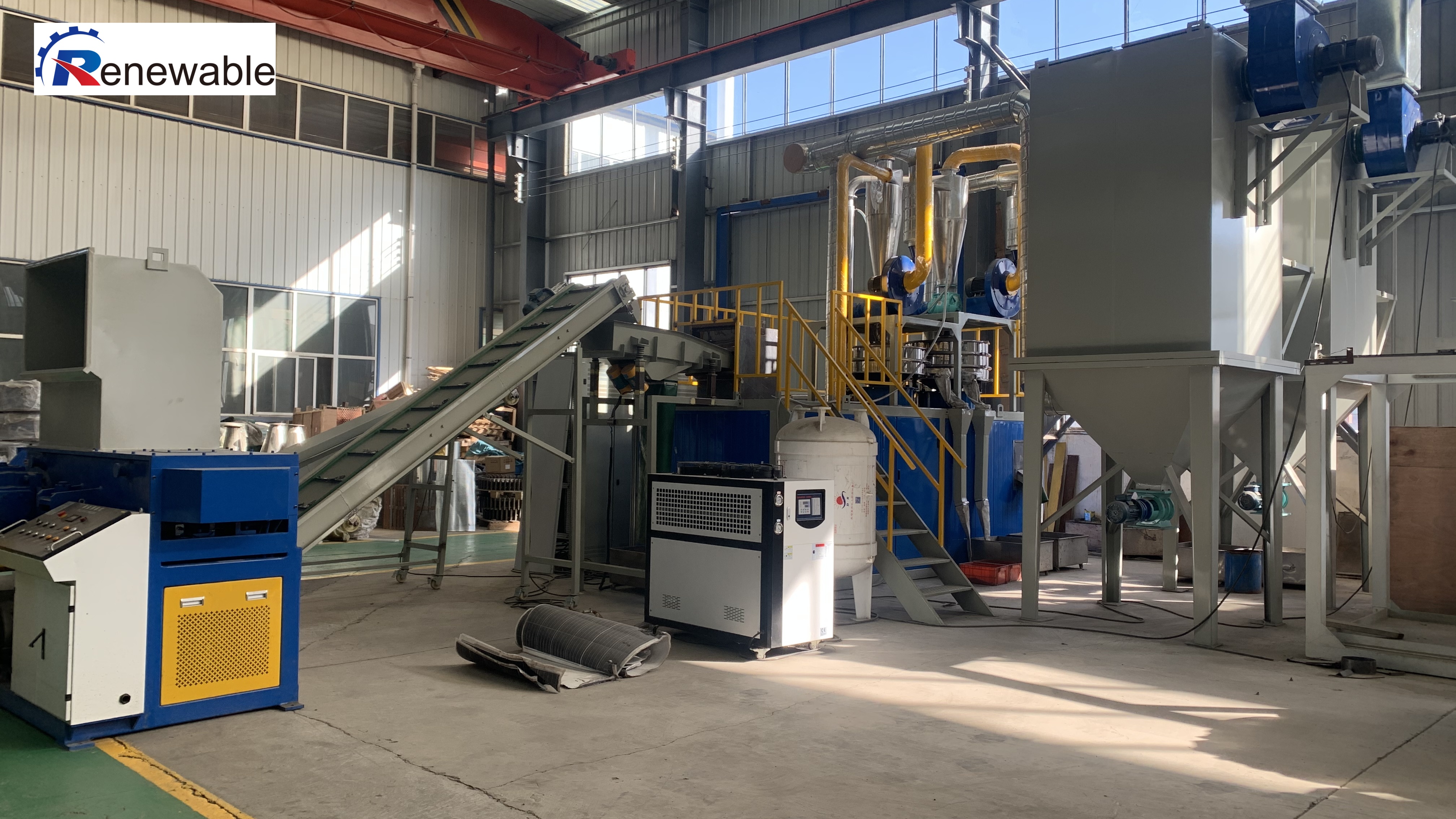
Copper is an indispensable core non-ferrous metal in industrial production. Boasting excellent electrical conductivity, corrosion resistance and ductility, it is widely applied in various fields including wires and cables, electronic equipment, automobile manufacturing, and communication engineering. Traditional copper mining and refining processes cause irreversible environmental problems such as vegetation destruction and soil and water pollution. In contrast, the recycling and reutilization of waste wires and cables serve as a core approach to realize the cyclic utilization of copper resources, reduce environmental pressure and practice green and sustainable development. In the recycling and processing of waste cables, maximizing copper output, minimizing copper loss and improving copper purity are the key to enhancing the economic benefits and resource utilization rate of recycling. Based on the mainstream dry physical recycling technology, the copper yield and recycling quality of waste wires and cables can be comprehensively improved through a series of measures including raw material pretreatment, equipment optimization, process upgrading, fine separation and standardized operation and maintenance. First of all, conduct classified sorting of raw materials. With the combination of manual work and auxiliary equipment, waste wires and cables are classified by thickness, material and service condition, covering various types such as thick cables,...
Learn More