The Green Rebirth of Waste Aluminum-Plastic Composite Materials: A New Breakthrough in Circular Economy
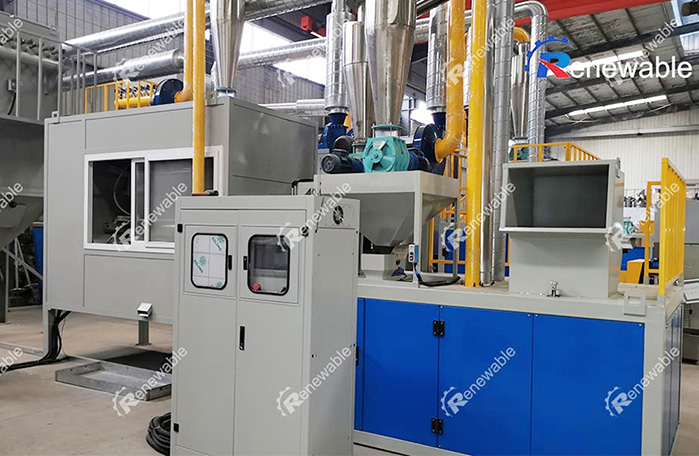
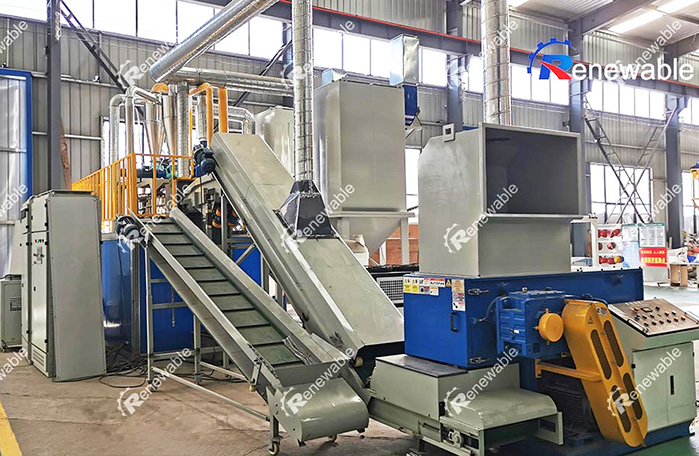
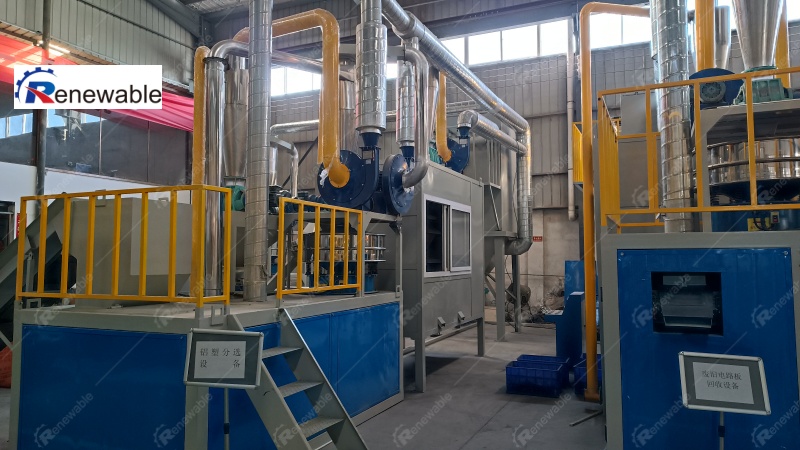
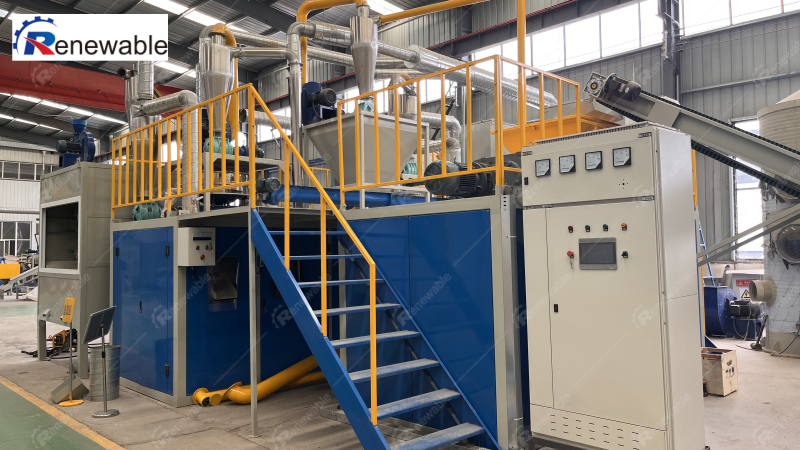
Widely applied in modern packaging, architectural decoration and other fields, aluminum-plastic composite materials have become indispensable composite materials in industrial production and daily life by virtue of their excellent barrier properties, stable durability and lightweight advantages. However, the disposal of waste aluminum-plastic composites has gradually become a major challenge restricting ecological environmental protection and sustainable industrial development. Statistics show that the global annual output of waste aluminum-plastic packaging and products exceeds 20 million tons, imposing tremendous pressure on the ecological environment. Traditional disposal methods, mainly landfilling and open-air stacking, have prominent drawbacks. Landfilling not only occupies a large amount of scarce land resources, but also fails to degrade waste aluminum-plastic materials effectively, as their complete natural degradation takes as long as 500 years. Moreover, waste aluminum-plastic materials piled in the open air continuously release harmful substances such as microplastics and heavy metals, which penetrate into soil and water sources, causing persistent and cumulative ecological pollution and irreversible damage to terrestrial and aquatic ecosystems. Faced with the severe environmental challenges posed by waste aluminum-plastic composites, the green, efficient and low-carbon physical separation technology has emerged as the optimal solution for the resource recycling of such materials, completely breaking through the bottlenecks...
Learn More