Widely applied in modern packaging, architectural decoration and other fields, aluminum-plastic composite materials have become indispensable composite materials in industrial production and daily life by virtue of their excellent barrier properties, stable durability and lightweight advantages. However, the disposal of waste aluminum-plastic composites has gradually become a major challenge restricting ecological environmental protection and sustainable industrial development.
Statistics show that the global annual output of waste aluminum-plastic packaging and products exceeds 20 million tons, imposing tremendous pressure on the ecological environment. Traditional disposal methods, mainly landfilling and open-air stacking, have prominent drawbacks. Landfilling not only occupies a large amount of scarce land resources, but also fails to degrade waste aluminum-plastic materials effectively, as their complete natural degradation takes as long as 500 years. Moreover, waste aluminum-plastic materials piled in the open air continuously release harmful substances such as microplastics and heavy metals, which penetrate into soil and water sources, causing persistent and cumulative ecological pollution and irreversible damage to terrestrial and aquatic ecosystems.
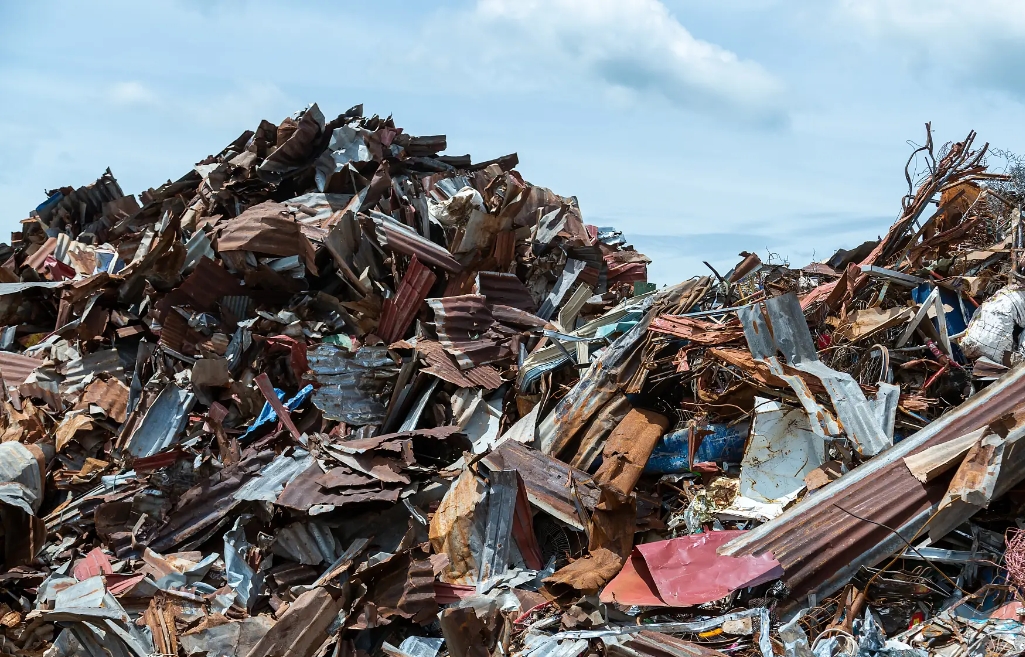
Faced with the severe environmental challenges posed by waste aluminum-plastic composites, the green, efficient and low-carbon physical separation technology has emerged as the optimal solution for the resource recycling of such materials, completely breaking through the bottlenecks of traditional disposal modes. Adopting an innovative physical separation process, professional aluminum-plastic separators require no chemical agents. Relying on the core principles of high-speed centrifugal rotation and precise airflow sorting, the equipment can efficiently and completely separate aluminum layers from plastic layers, ensuring the purity and recycling value of both materials.
In addition, the equipment is equipped with a high-performance pulse dust removal device, which can fully collect dust and debris generated during operation. It effectively prevents dust diffusion and waste gas pollution, achieves zero-pollution emission throughout the production process, and fully complies with national environmental protection production standards, building a green, safe and compliant resource utilization system. Compared with high-pollution and high-energy-consumption chemical separation processes, physical separation technology is both environmentally friendly and practical, realizing the dual goals of harmless disposal and resource utilization of waste materials.
This technological innovation not only solves the environmental governance problem of waste aluminum-plastic composites, but also taps the potential value of solid waste resources and fosters new economic growth points for the circular economy. As industry experts commented, “Every ton of recycled aluminum-plastic composite material reduces the burden on the earth and stores energy for the future.”
The closed-loop recycling of aluminum-plastic composite materials has helped the industry bid farewell to the linear consumption model of “production, consumption and disposal” and embrace a new closed-loop recycling model of “recovery, regeneration and reuse”, triggering a green industrial revolution in the field of solid waste resource utilization. This represents not only a leap forward in material recycling technology, but also an in-depth upgrading of industrial development concepts and ecological awareness. Under the guidance of the dual-carbon goals, the green rebirth of waste aluminum-plastic composite materials will continuously release ecological and economic value, injecting sustainable green momentum into the high-quality development of the circular economy.